New Blog Contribution | RSAA 125th Anniversary
As part of the Royal Society for Asian Affairs’ Blog, I wrote a blog essay marking the 100th anniversary of a widely circulated image of Afghan men. I trace how early twentieth-century photographs, travel writing, and imperial media helped construct a durable visual grammar of masculinity, danger, and orientalism. Reading the image alongside U.S. travelogues, Cold War reportage, and contemporary media, the essay asks how colonial fantasies persist, adapt, and resurface across generations.
This contribution reflects the Society’s long-standing engagement with Asia while critically examining the visual and narrative inheritances that still frame global understanding of the region.
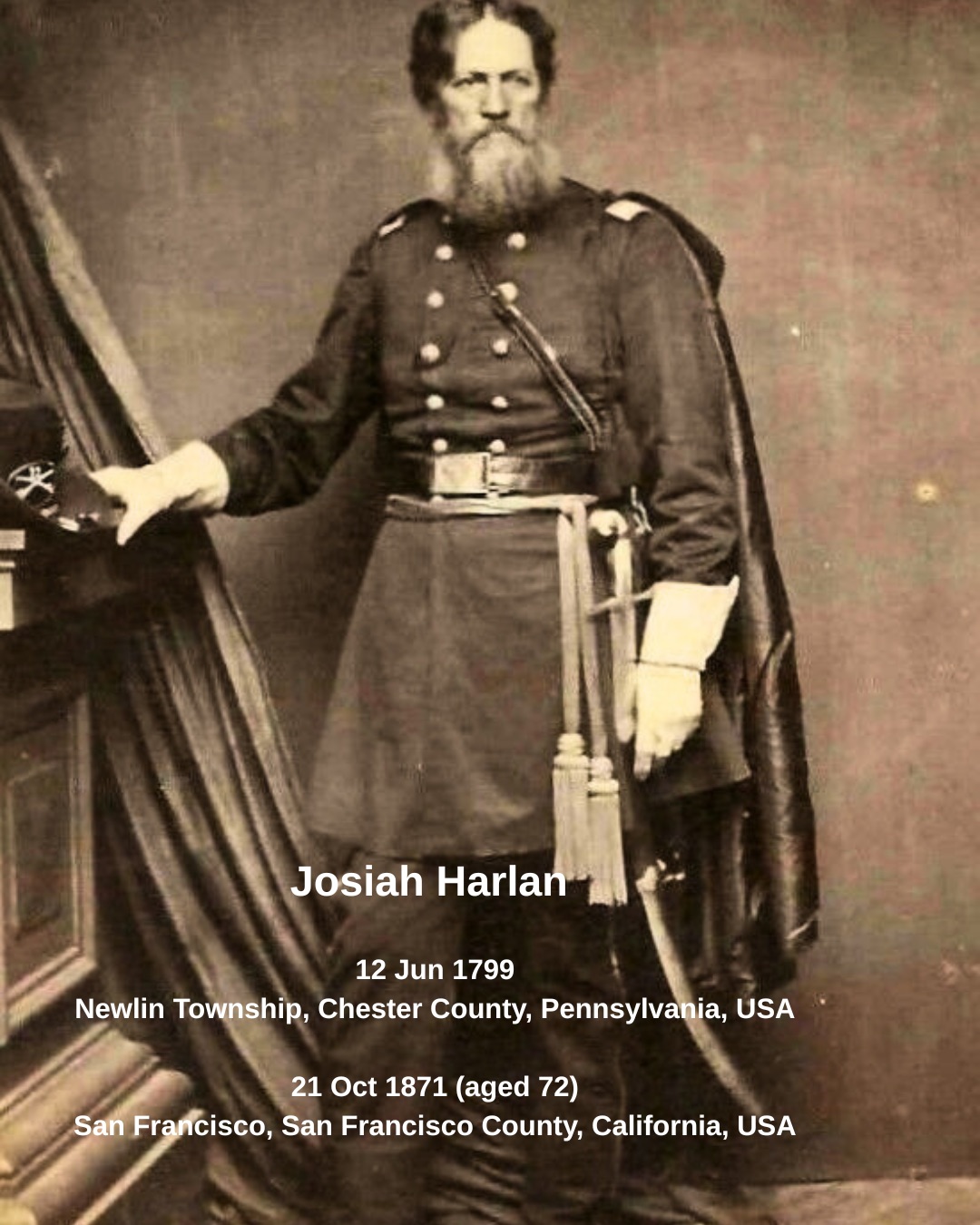
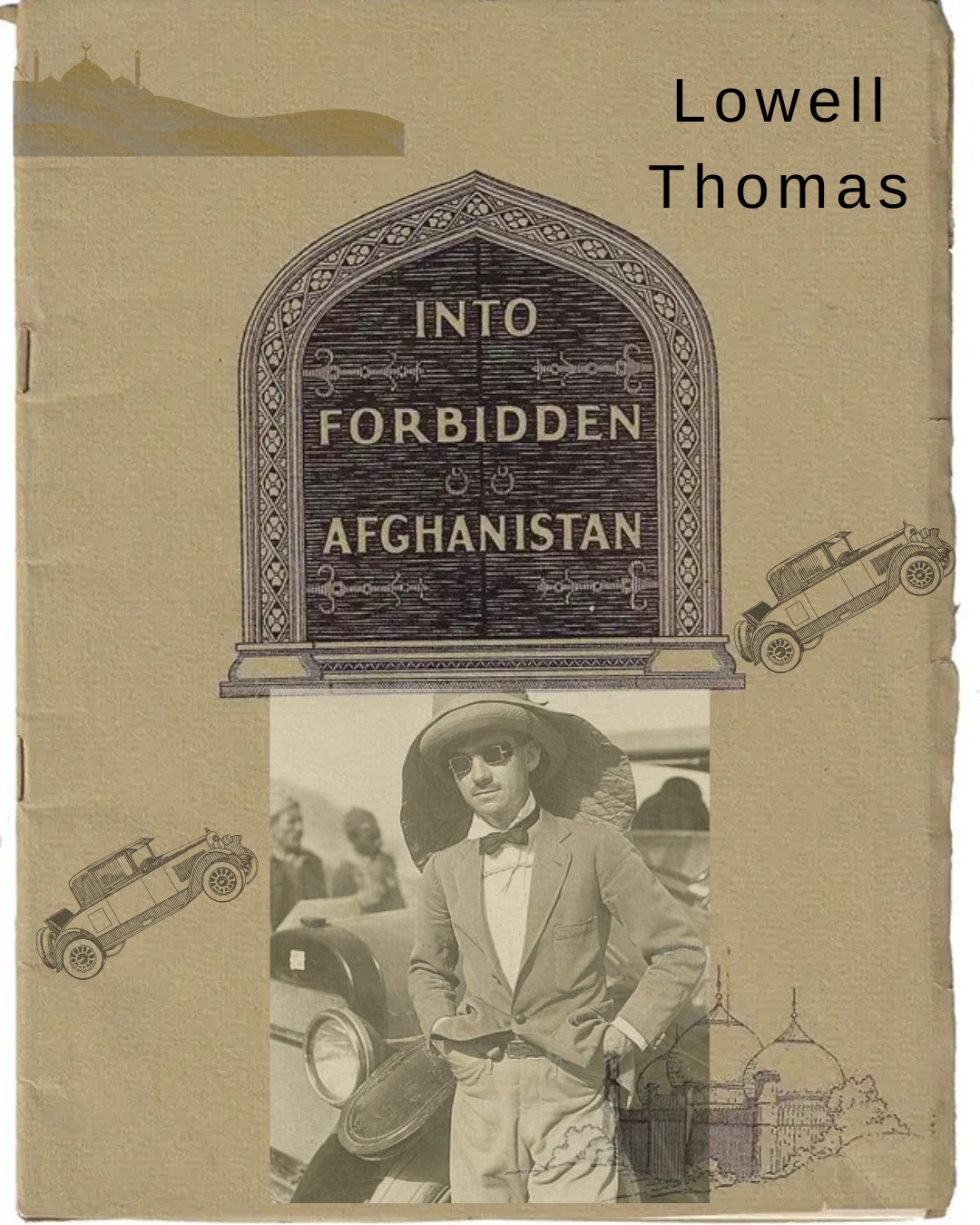
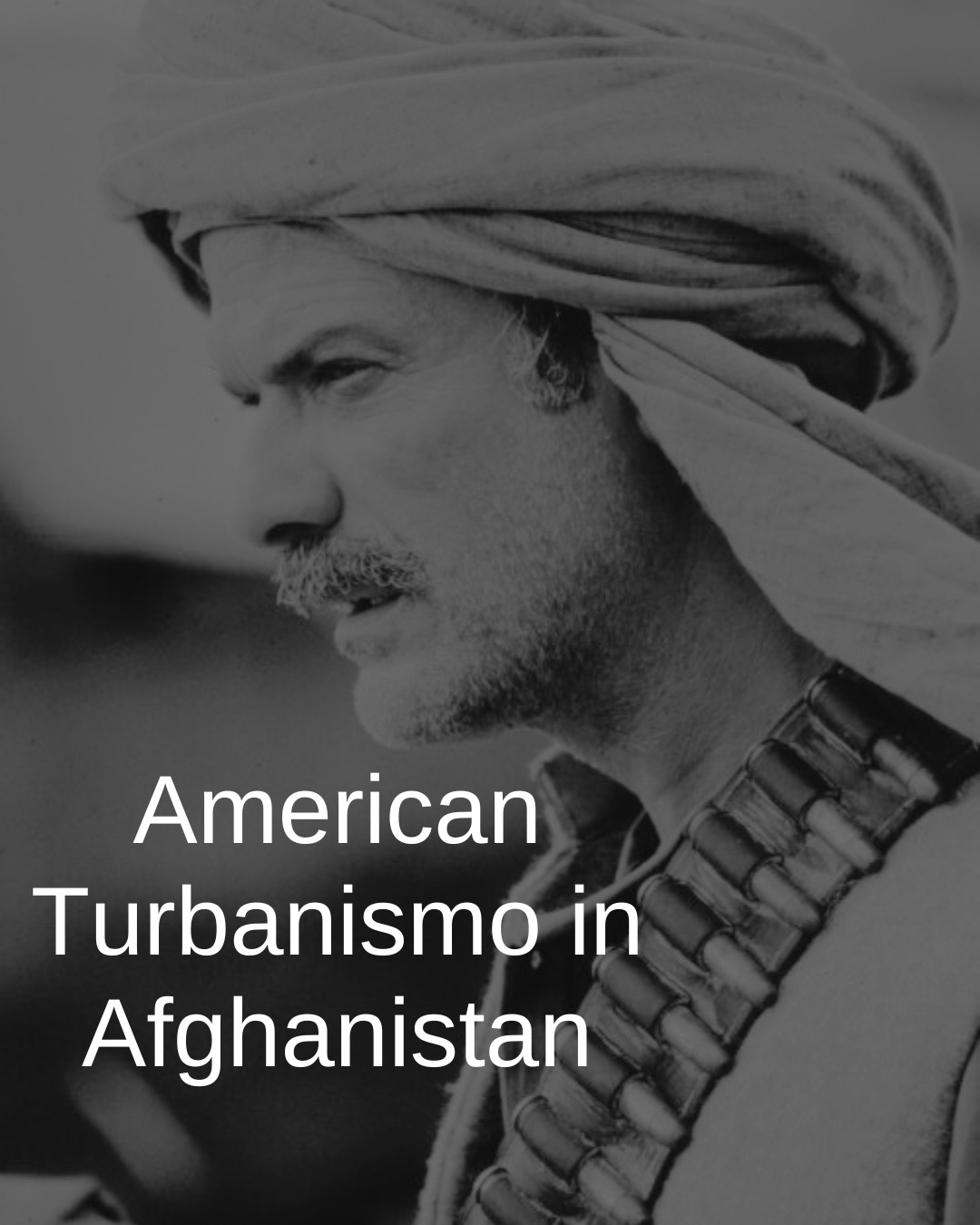
In popular Anglo-American imagination, Afghanistan has long been a site where masculinity, danger, and imperial desire converge. From the nineteenth century onward, Western travel writing about the region relied heavily on a repertoire of images: turbans, rifles, barren land, and “tribal warriors” that transformed Afghan men into hypermasculine archetypes rather than subjects. “American Turbanismo” is the term I use to describe this distinct US adaptation of British colonial mythmaking, which emerged through the writings of nineteenth-century and Cold War–era American travelers such as Josiah Harlan, Januarius MacGahan, Lowell Thomas, and, later, W T Vollmann.
Read the full post here on the Royal Society for Asian Affairs: https://rsaa.org.uk/blog/american-turbanismo-in-afghanistan-how-a-centuries-old-colonial-fantasy-keeps-reinventing-itself/
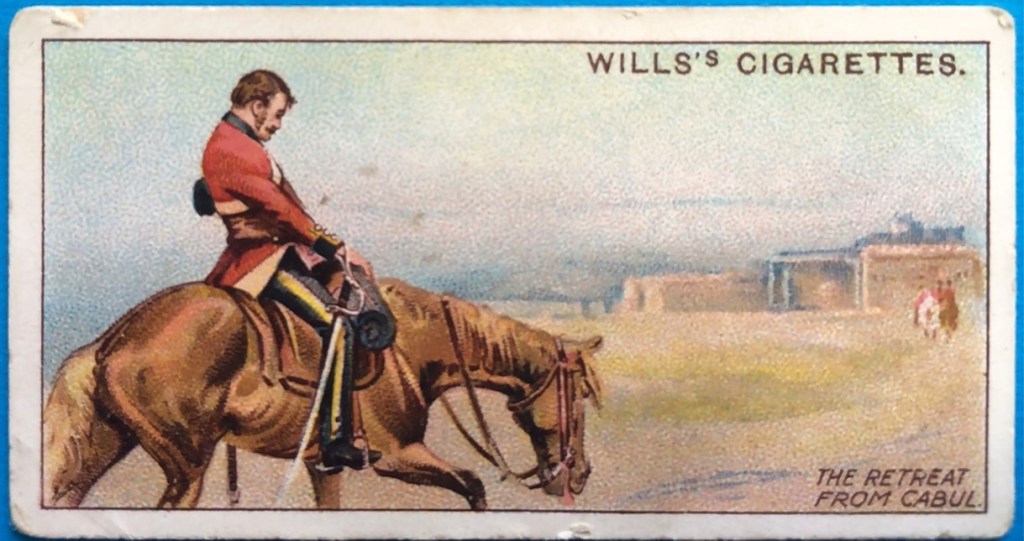
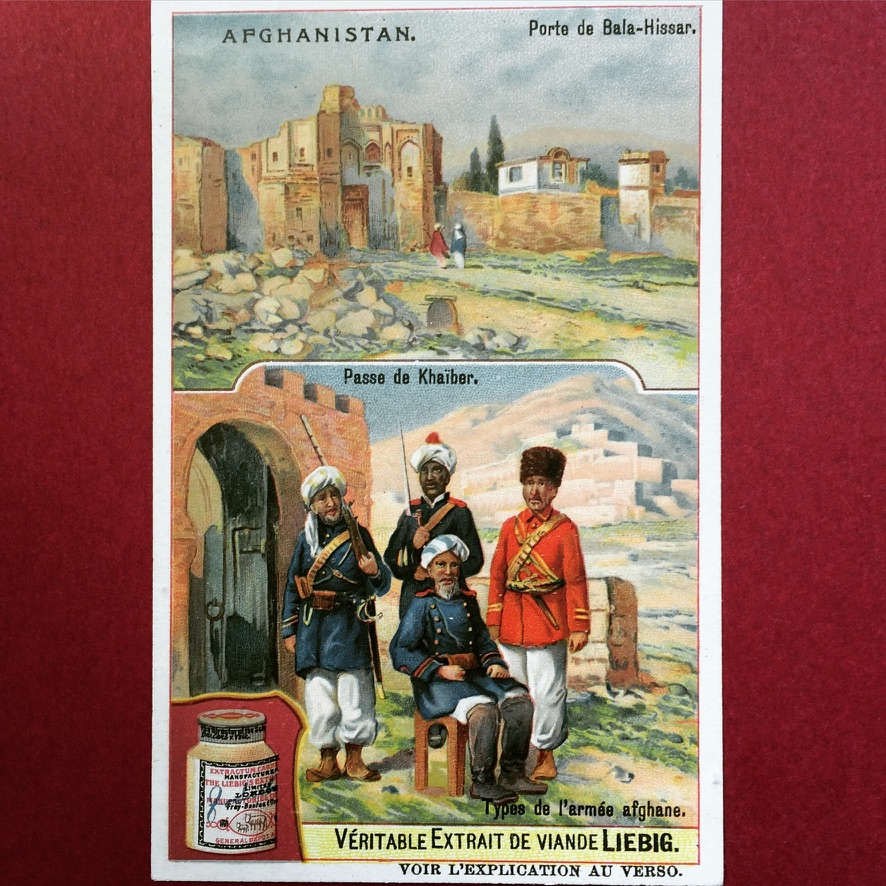
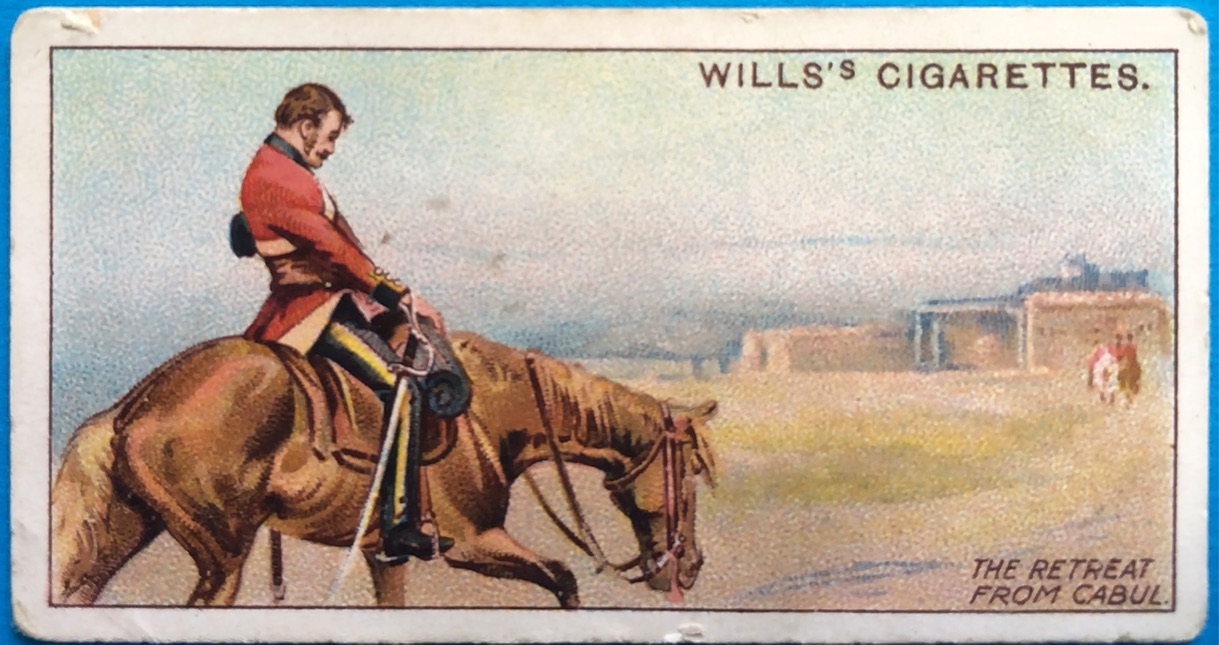
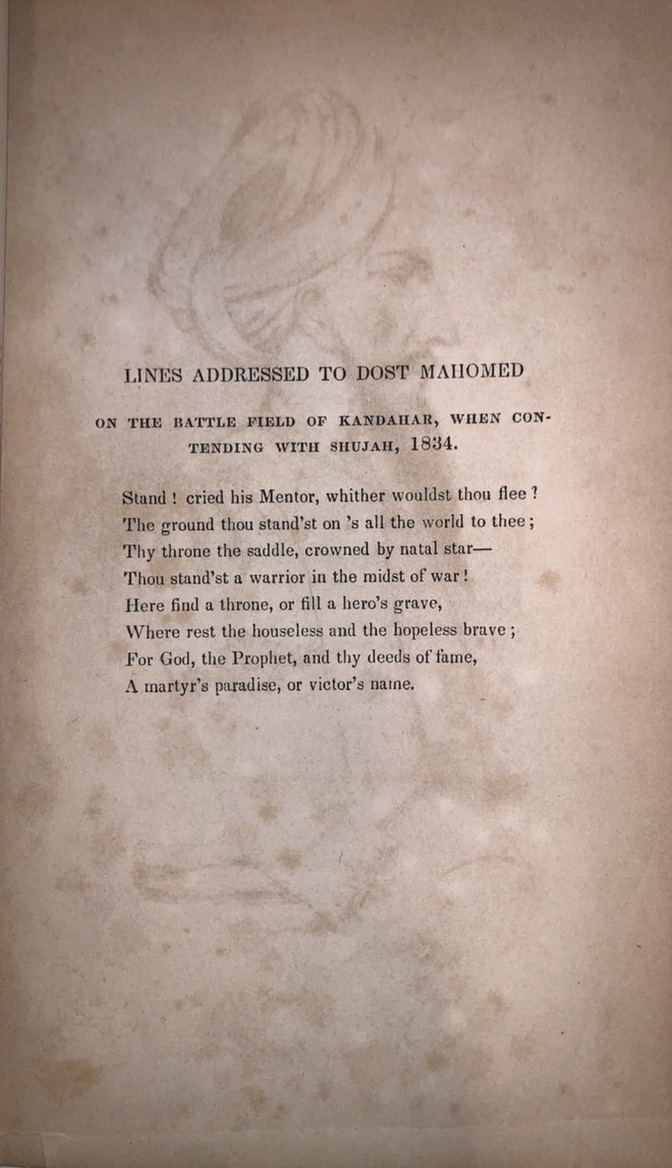
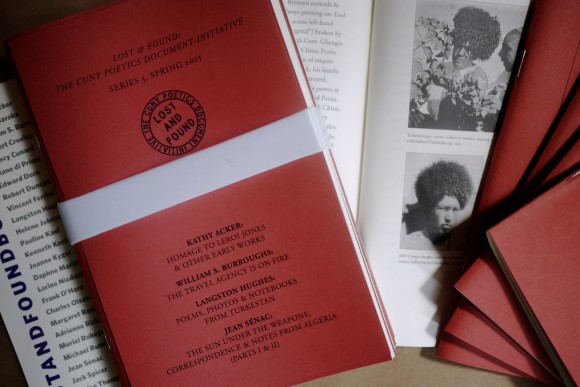
I had a great opportunity to share my collection of British and American ephemera on Afghanistan.
 Zohra Saed
Leave a comment